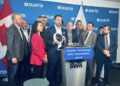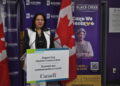



Toronto Mayor Olivia Chow’s executive committee has given its approval to the introduction of a new municipal tax targeting foreign home buyers in Toronto. The proposed “municipal non-resident speculation tax” (MNRST) would impose an additional 10 percent levy on the purchase price of residential properties starting in January 2025, pending approval by the full council next month.
The move comes as an effort to curb international buyers from acquiring homes in Toronto, with the goal of safeguarding housing supply and affordability. This initiative is part of Toronto’s broader strategy to address its ongoing housing supply and affordability crisis.
While foreign buyers have faced scrutiny in the past, Mayor Chow acknowledges that they only contribute slightly to the housing crisis. The city’s primary challenge lies in its lack of affordable housing and insufficient construction of new homes.
Toronto’s proposed tax aligns with Ontario’s non-resident speculation tax, introduced in 2017 at 15 percent and subsequently raised to 25 percent. The provincial tax initially covered the Greater Golden Horseshoe area but has since expanded to include the entire province.
The report estimates that the municipal tax could generate between $14 million and $15 million in revenue for 2025. However, this projection is contingent on the federal government lifting the temporary ban on most foreign buyers purchasing residential properties, which, if extended, would result in lower revenues of up to $9.6 million.
The tax would apply to land purchases of up to six “family residences,” including detached homes, semi-detached homes, townhouses, and condos. It would not affect multi-residential apartment buildings with more than six units, agricultural land, commercial land, or industrial land.
Foreign nationals and foreign-controlled companies would be subject to the tax, although exemptions would be granted to those nominated under Ontario’s immigrant nominee program and protected persons, such as refugees. Foreign nationals purchasing homes jointly with a Canadian citizen, permanent resident, nominee, or protected person would also be exempt.
Critics argue that the tax’s impact may be limited, as foreign buyers make up only a small fraction of property purchases in Ontario. They emphasize the need for greater focus on increasing housing supply and curbing local investors and speculators, who have a more substantial impact on housing prices.
The speculation tax is set to be discussed at the upcoming council meeting from February 6 to 8, with a potential implementation date of January 1, 2025, following the expiration of the temporary foreign buyer ban.