


By: Surjit Singh Flora
BRAMPTON, Ont.—Peel Regional Police said on Tuesday, 9 June 2026, that a long-running fraud investigation has led to the arrest of a former Air Canada captain accused of flying hundreds of commercial flights without the proper license.
The case, known as Project Icarus, centres on Jeff Wall of Barrie, Ont., whom police allege spent 17 years working as a pilot in command without ever holding the Airline Transport Pilot License required for the role. During that time, investigators say he flew Boeing 767, 777, and 787 aircraft on more than 900 domestic and international flights, carrying tens of thousands of passengers while drawing a captain’s salary.
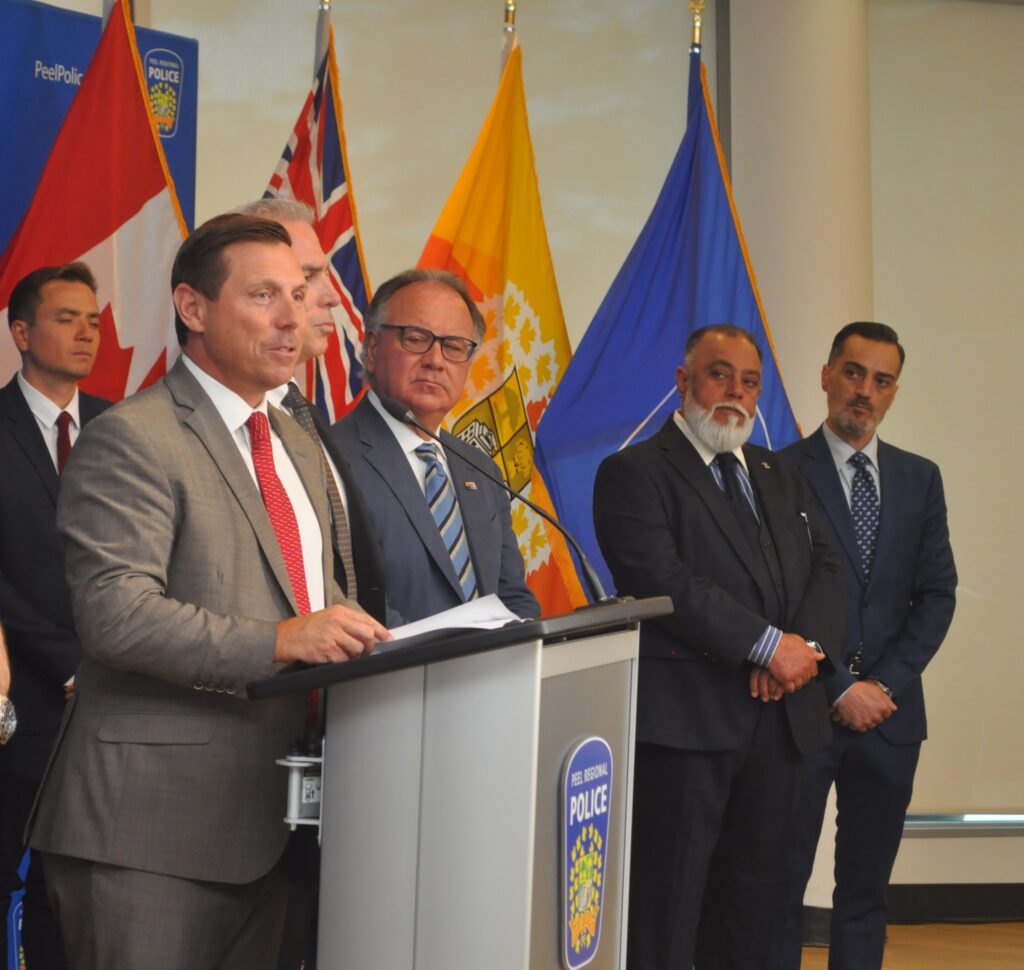
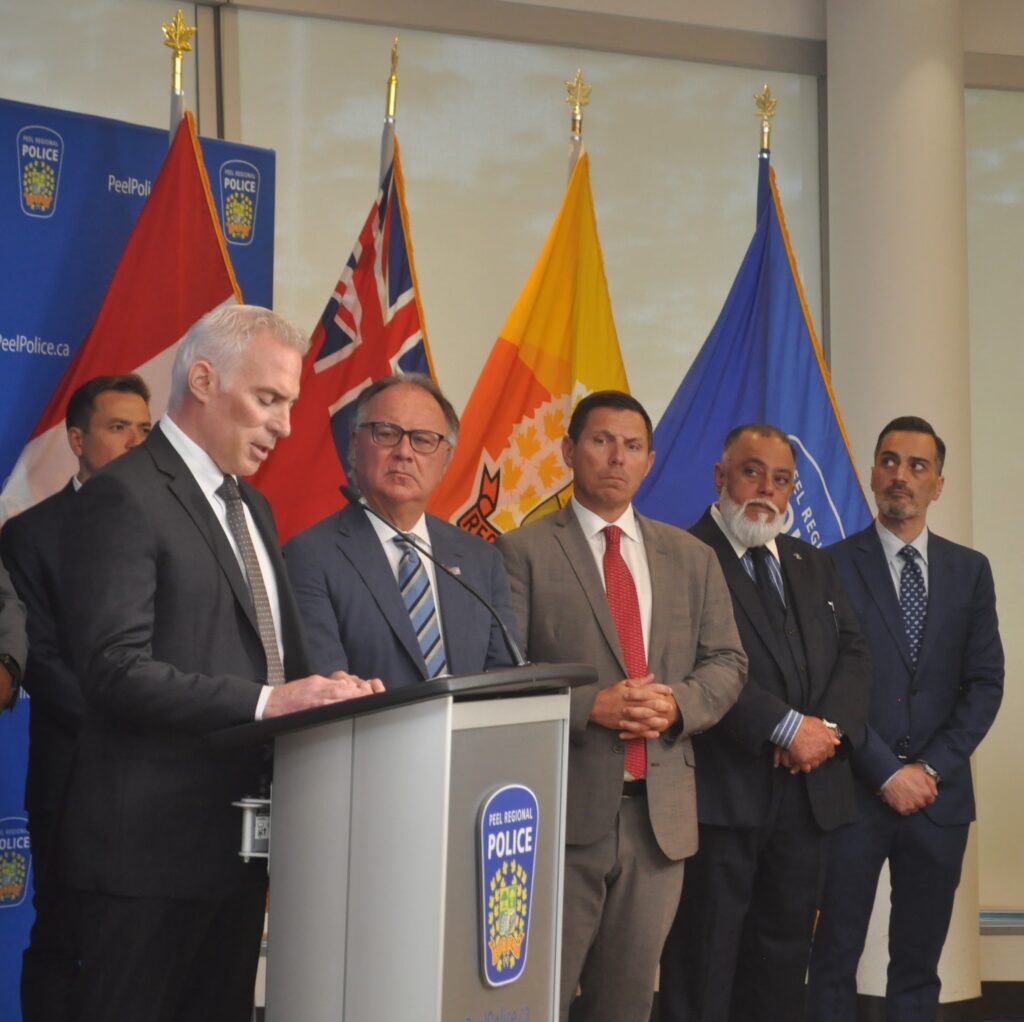
Acting Det. Sgt. Chad Michell of Peel Regional Police’s fraud bureau said the matter shows how a single person was able to present himself as a qualified authority figure in a high-trust profession for years. Police say the credentials that supported that image were built on forged paperwork and repeated deception, not on the training and examinations Transport Canada requires.
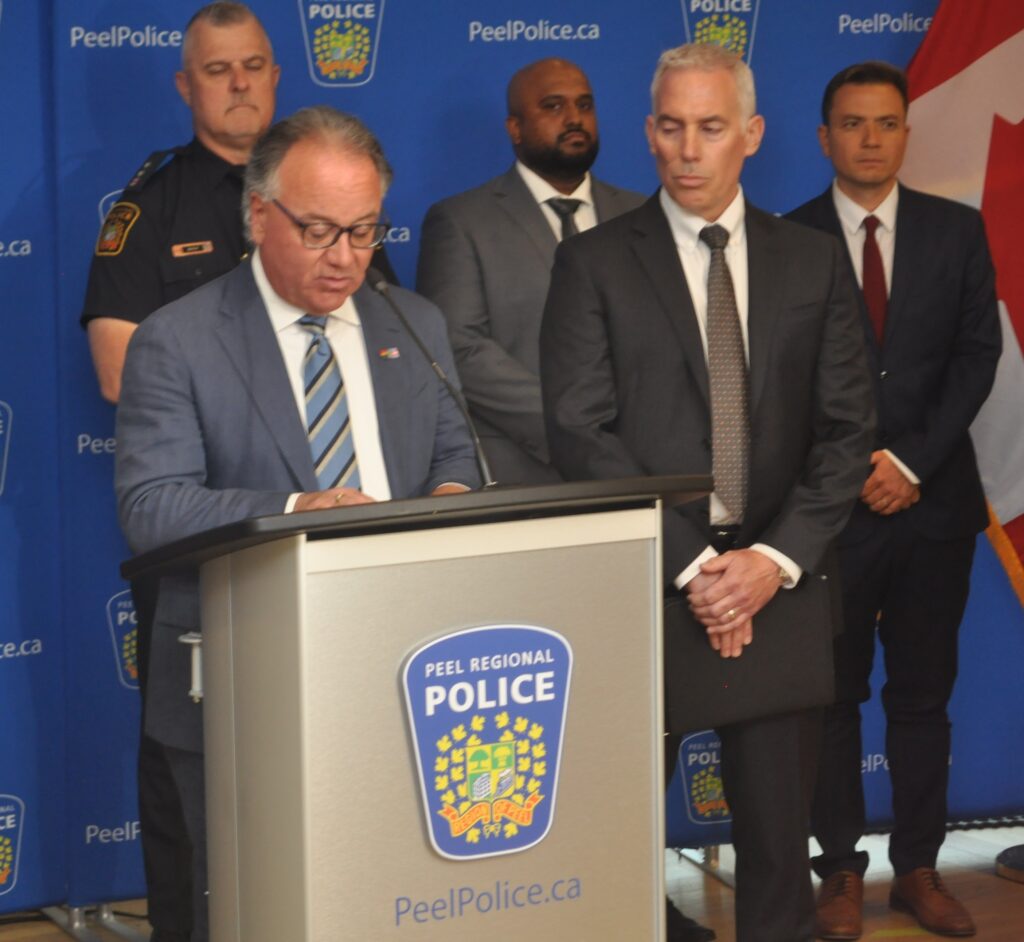
Deputy Chief Nick Milinovich described the investigation as something that read “like a movie script.” He said the case has raised serious concerns within the aviation sector about the strength of credential checks and the extent to which systems meant to protect the public can be tested by false documents.
According to police, Wall joined Air Canada as a first officer in 1998 and was promoted to captain in 2009. That promotion gave him command of large commercial aircraft and full responsibility for passenger safety and flight operations. Investigators allege he reached that position without completing the Transport Canada exams needed for the top pilot license.
At the news conference, Michell said the evidence supports the allegation that Wall had not finished the required examinations before or during his career. Police also allege that he used altered and counterfeit government-issued documents to get around verification checks. When investigators began closing in, they say he filed a false police report claiming important documents had been stolen, an apparent attempt to explain the missing license records.
The case began to break open in March 2025 at Toronto Pearson International Airport’s Terminal 1, when a routine operational review raised concerns about documents Wall presented. That check triggered a Transport Canada review, which turned into a criminal investigation. Police later executed a search warrant at a home in Barrie and worked with the RCMP’s National Anti-Counterfeiting Bureau, Air Canada, and aviation regulators.
Nando Iannicca, chair of the Peel Police Services Board, said the case showed the value of close cooperation between police, regulators, and industry. He said public confidence depends on institutions acting when concerns are raised, rather than letting problems pass unchecked.
The allegations go beyond aviation paperwork. Police said the case is also about public trust. Passengers board aircraft trusting that the people in the cockpit hold the right licenses and training. Doctors, pilots, and police officers all depend on the same basic assumption: that the credentials behind the title are real.
Milinovich said credentials exist for a reason, and that bypassing them puts both the public and the profession at risk. Police said no safety incident has been linked directly to Wall’s time in the cockpit, but they pointed to the scale of the alleged deception and the financial loss. By their estimate, the fraud is worth several million dollars in salary earned over nearly two decades.
Brampton Mayor Patrick Brown praised the fraud bureau’s work and said the case should send a clear message that crimes in Peel Region do not go unanswered.
Wall was arrested on 1 June 2026 and faces seven criminal code charges, including fraud over $5,000, two counts of uttering a forged document, three counts of possession of a counterfeit mark, and public mischief. He is scheduled to appear in court in Brampton on 29 June 2026.
As the case moves through the courts, Project Icarus leaves aviation regulators with a hard question: how a forged identity was able to sit at the controls of major passenger jets for so long before the system caught up.