


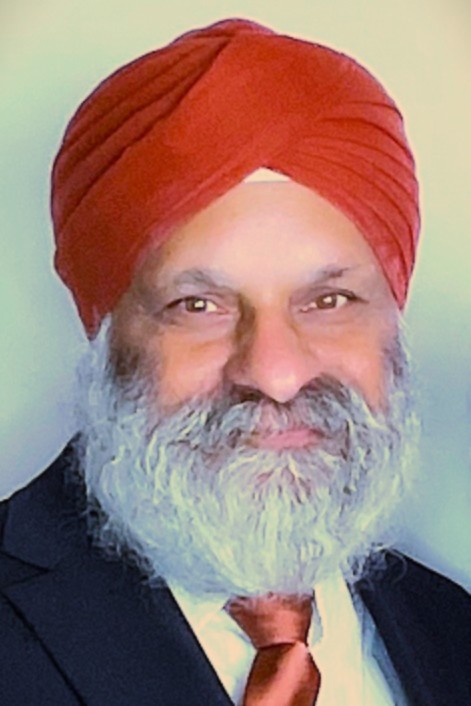
By: Surjit Singh Flora
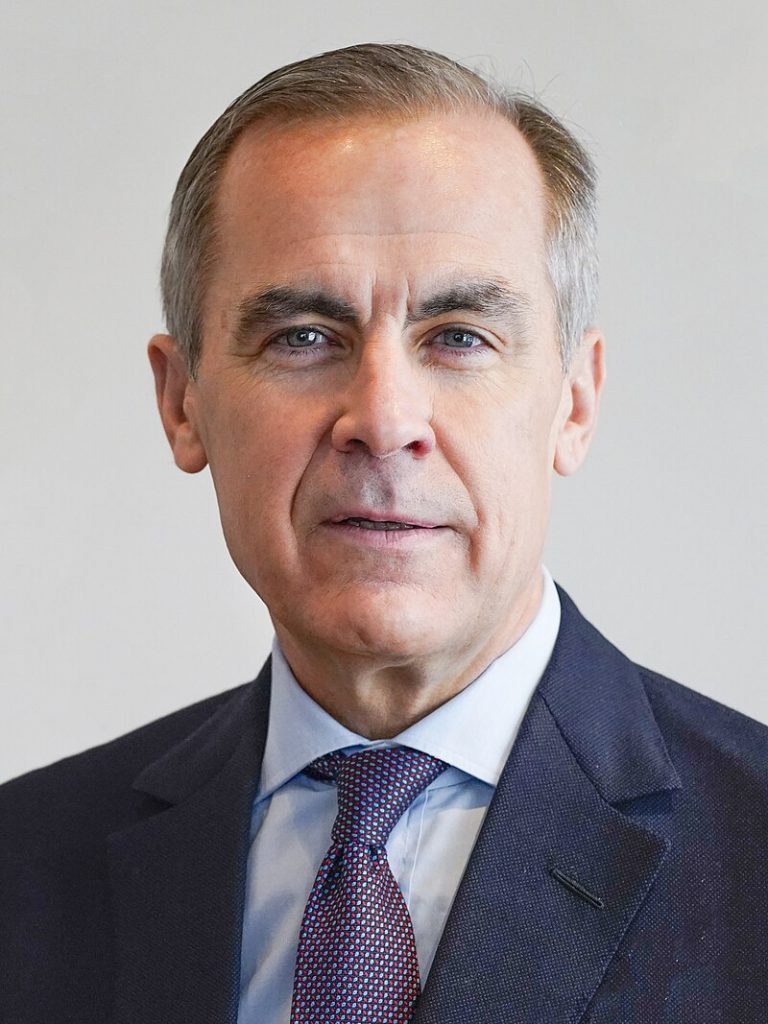
Much of the Canadian media treats every move by Prime Minister Mark Carney as a fresh contradiction. One day the focus is a trade fight with Washington. The next day it is India, China, or foreign interference. Then comes another headline claiming his government is “all over the map.” That reading misses the main point.
Carney’s Canada-first strategy is more coherent than many daily stories admit. His line is simple: protect Canadians first, reduce dependence on any one power, and build new ties without giving up security or values. His Davos speech, Principled and Pragmatic: Canada’s Path, gave the clearest guide yet. The message was not hidden. It was plain, steady, and built for a rougher world.
Carney is not moving at random. He is working from one central belief: the old global system no longer works for countries like Canada. In his view, the world has changed fast, and middle powers can’t act as if old rules still offer full protection.
That matters for trade, diplomacy, and national safety. A country tied too tightly to one market can be pressured. A country that ignores security risks can be exploited. A country that clings to old grudges can get stuck while others move ahead. Carney’s answer is to be firm on security and flexible on partnerships.
That approach can look messy from headline to headline. Real strategy often does. Trade talks with India do not cancel security concerns. A hard line with Washington does not block wider ties with Europe or Asia. Contact with China on limited files does not mean trust. In other words, one policy can contain both caution and outreach.
At Davos in early 2026, Carney described the moment as a rupture, not a transition. That idea matters. He argued that the old rules-based order no longer shields middle powers the way it once did. Major powers now use trade, supply chains, and market access as tools of pressure.
His answer was to build strength at home and options abroad. He spoke about removing federal barriers to internal trade, cutting some taxes tied to work and investment, and fast-tracking about $1 trillion in projects across energy, AI, critical minerals, and trade routes. That is not drift. It is a plan to make Canada harder to squeeze.
Carney also used a line that explains his method better than any panel show can:
“If we’re not at the table, we’re on the menu.”
For a middle power, coalition-building is not weakness. It is survival. Canada cannot shout its way through every dispute. It needs issue-by-issue partnerships with countries that share interests, even if they do not share every view.
That is why his foreign policy looks less like a slogan and more like carpentry. It is built piece by piece. Some partnerships are about trade. Others are about defence, Arctic security, minerals, or energy. The logic stays the same. Canada needs more chairs at more tables.
The loudest criticism says Carney is trying to please everyone at once. That charge sounds sharp, but it falls apart on inspection. Opening talks or rebuilding ties with India, engaging cautiously with China, and strengthening links with Europe, Japan, Australia, and other partners do not mean he is dropping Canadian values. It means he is giving Canada room to act.
That room matters more when the United States is less stable and less predictable. Since returning to office, President Trump has revived tariff threats and even fed talk that unsettles Canada’s sovereignty debate. In that climate, overdependence is not prudence. It is a risk.
Carney’s strategy is built on a hard truth. Canada cannot change the past, and it cannot force every partner to think alike. What it can do is leave old deadlocks behind where possible, shake hands where useful, and build a safer future for the next generation. That is why his government is looking across Asia, Europe, Australia, and trusted Arctic partners such as Norway, Iceland, and Finland. The goal is not to forget values. The goal is to stop living inside old traps.
Trade diversification is not a side project. It sits at the centre of national safety. A country with more options is harder to pressure, whether the pressure comes from tariffs, politics, or supply shocks.
Recent moves fit that pattern. Carney has pushed to reduce internal trade barriers inside Canada. He has also backed faster investment in energy, AI, critical minerals, and new trade corridors. In March 2026, his government announced a more than $40 billion Arctic sovereignty plan tied to roads, northern access, and stronger defence capacity. That joins economics and security in one frame.
Abroad, the same thinking appears in new work with India and Australia. Reported agreements with India include energy, critical minerals, and uranium supply, alongside a push for a broader economic pact. Australia has become a partner on investment, defence, AI, and minerals. None of this looks random. It looks like a country building alternative.
The safety of Canadians should never be sacrificed in the name of trade. That point should be the starting line, not the afterthought. If there are foreign interference risks tied to India, the government must face them directly, investigate them fully, and protect people at home.
Still, serious leadership can do two things at once. It can defend Canadians and keep diplomatic or trade channels open where that serves the national interest. Engagement is not surrender. Talking is not yielding. A mature state does not choose between security and contact as if only one can exist.
This is where too much media coverage goes shallow. It frames the issue as a crude choice: either trade with India or stand up for Canadians. That is false. A government can pursue both, and it should. When coverage keeps dragging every debate back into the same blame cycle, it misses the bridge Carney is trying to build.
The real weakness in much commentary is not disagreement. It is short-term thinking. Too many stories isolate one event, one quote, or one dispute, then present it as proof of confusion. That habit hides the longer pattern.
Carney’s pattern is visible. He wants more economic independence, more trusted partnerships, stronger Arctic and defence investment, and steadier growth at home. That is the frame. Headlines about one meeting with India or one trade move with Washington do not erase it.
Canadians did not choose Carney to start a noisy, chest-thumping trade war. They chose him to fight smart. That means less theatre and more structure.
A serious trade and foreign policy plan often looks slower than cable news wants. Deals take time. New routes take time. Better ties with partners take time. Some of the most important moves, like internal trade reform or supply chain investment, do not produce headline-ready drama. Yet they may matter far more than the loudest clash of the week.
That is also why the media frame often sounds too close to opposition attack lines. Pierre Poilievre offers criticism, but criticism is not the same as a strategy. Daily blame is easy. Building national room to manoeuvre is harder.
The best way to judge Carney is not through partisan noise. It is through outcomes. Does Canada become less exposed to US pressure? Does it grow stronger in energy, food, minerals, finance, and technology? Does it deepen trust with allies beyond a single market? Does it protect public safety while broadening economic options?
Those are the standards that matter. If his policies move Canada in that direction, then the strategy deserves fair recognition, even from critics.
Canadian media do not have to agree with Mark Carney on every move. They should, however, judge him by the strategy he has openly laid out, not by scattered headlines that flatten every file into a daily contradiction. His project is clear: protect Canadians, diversify trade, lower dependence, and build a stronger future for the next generation. Results will not arrive overnight. Still, if the goal is a safer, prouder, more independent Canada, then this policy deserves time to work.