


By: Surjit Singh Flora

World Book Day in 2026 falls on two dates, but the message is the same. UNESCO’s World Book and Copyright Day is on April 23, 2026, while the UK and Ireland celebrate World Book Day on March 5, 2026.
UNESCO set the global event in 1995, and Rabat is the 2026 World Book Capital. Even with phones, short videos, and nonstop scrolling, books still offer a slower and more stable way to learn.
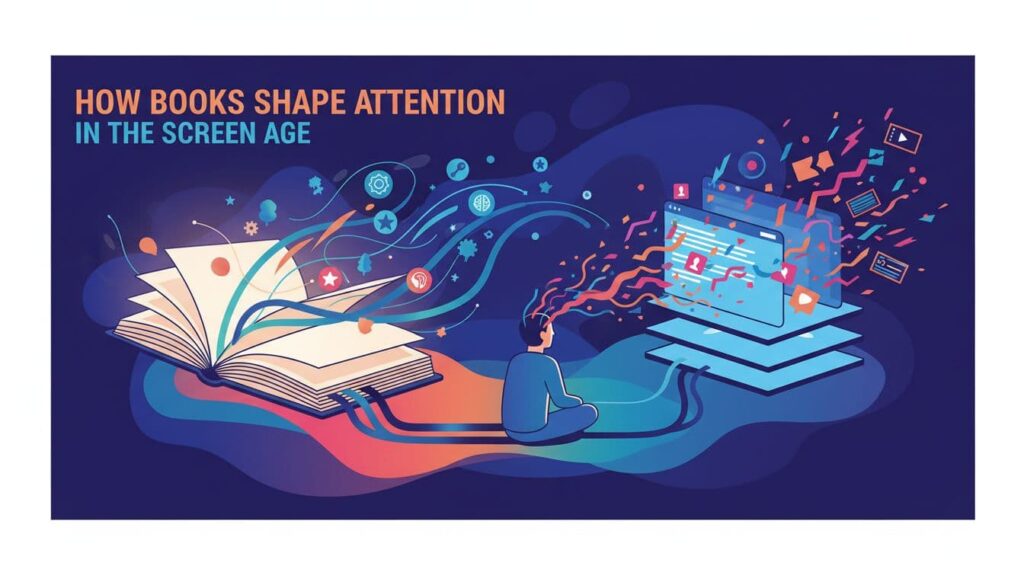
Screens are built for speed. They push updates, clips, fragments, and quick reactions. Books use a different format. They keep context in view long enough for readers to follow a claim, test an idea, or stay with a life far from their own.
In Canada, many younger adults, especially Gen Z and Millennials, now turn to books as a practical break from doomscrolling. The change is cultural, but it’s also routine. Reading gives them a slower, screen-free habit at night, and many see it as part of wellness, not just entertainment. As a result, bedtime reading often means less blue light, less mental noise, and more of the steady focus that phones usually disrupt.
Canadian libraries and public institutions have also made a clear case for books. In their view, books matter to “meaningful democracy” because they provide more than facts; they provide context. In statements about media literacy and civic life, they argue that long-form reading helps people build judgment over time. That skill helps citizens spot false claims, weak proof, and AI-made distortions that spread fast online. From this view, books are not old habits from the past. They are one of the few tools that still train attention, memory, and healthy doubt, which misinformation often tries to strip away.
This difference matters in history, science, politics, and culture. A book can track cause and effect, weigh evidence, and hold detail in place. Online reading often breaks attention across tabs, alerts, and feeds. By contrast, books ask for time, and they return a meaning that lasts longer than a scroll.
Recent reading data points the same way. Many children now choose screens first, yet screen-based reading is often shorter and less detailed. Long texts are harder to follow on a device after hours of messages and video. Print still supports sustained focus, stronger recall, and less eye strain when the material is complex.
Even though screens now dominate leisure in Canada, books still keep a rare place in daily life. About 89% of people turn first to streaming and social media. Still, 49% of Canadians say reading or listening to books remains a top activity. That figure suggests more than habit. It indicates that books still shape how the country remembers itself. It also indicates that books protect focus, memory, and shared civic space, which faster media often weaken.
Digital tools and e-books now shape much of academic research because they provide students quick access to sources and notes. As a result, many students can draft and revise papers with less friction. However, print books still matter because some learners read, compare, and retain ideas better on the page. For that reason, a hybrid model often supports stronger research habits than a fully digital one.
Books also foster reflection, a quality that fast media often interrupts. A novel can expand sympathy. A memoir can sharpen judgment. Poems and essays can slow thought enough for readers to hear shades of feeling and doubt.
That has public value as well as private value. People who read widely meet other minds, other eras, and other ways of living. They also keep a source of pleasure that does not depend on constant novelty. For many readers, that pleasure is part escape, part learning, and part emotional growth.
In a tech-heavy culture, reading can still survive online life, but it needs a place in the day. Fifteen to 30 minutes in the morning, on a commute, or before sleep can keep books close. Interest matters too. People read more when they choose subjects they care about, whether that means novels, history, or biography.
Access matters as much as time. Public, school, and college libraries reduce the cost of reading, and they often introduce books that algorithms would never place in front of users.
Format matters less than regular contact with books. Print often supports deeper reading, yet e-books and audiobooks widen access for students, commuters, and people on tight budgets. When print is difficult to find or afford, digital formats can still keep reading active.
The value of books in 2026 is practical, not sentimental. They remain one of the few places where sustained thought, cultural memory, and human experience stay intact.
On World Book Day, that fact becomes visible in public life. The day connects reading with education, authorship, and shared culture, and it reminds society of what constant scrolling cannot hold.