

Despite advancement in medicine and a cure, the disease is still most prevalent. To eliminate it, community intervention is must, says SHALINI SAKSENA
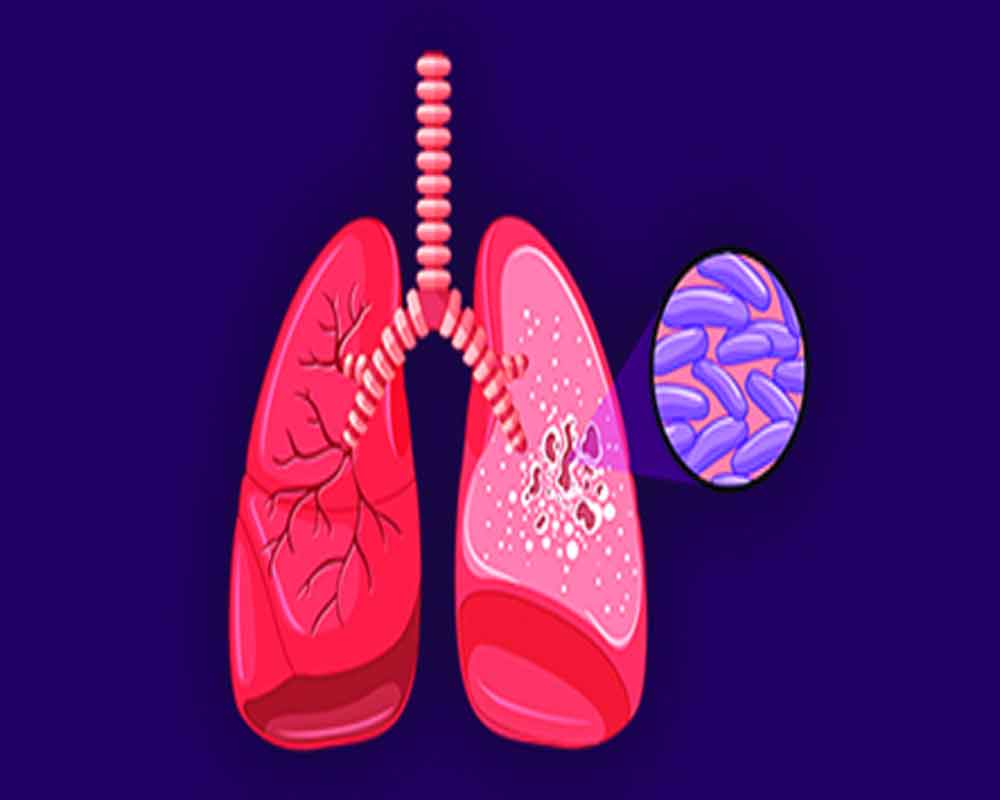
Tuberculosis (TB) is one of India’s major public health problems that kills an estimated 4.8 lakh people every year. Despite being curable, it still remains one of the most prevalent diseases in the country due to lack of awareness, stigma, discrimination, fear of being diagnosed with the disease, and misconceptions.
The TB patients in rural areas live a life of poverty, severely limiting their options for diagnosis and treatment due to lack of resources. For achieving the aim to eliminate TB by 2025 under India’s National Strategic Plan for Tuberculosis Elimination, it becomes crucial to reach the grassroots level to address issues related to TB care, and reduce the treatment gap.
This is where Panchayati Raj Institutions (PRIs) play an important role. PRIs are based upon the belief that development can be complemented by a robust local democracy, which holds responsibility for the community and authority over local resources.
People with TB in rural areas face challenges in accessing healthcare facilities, continuing and bearing the cost of treatment. Many of them are not be aware of the free-treatment facilities provided by the government. Women in rural areas face the most challenges due to social and economic constraints and the stigma attached to the disease.
To tackle this, an active community engagement becomes important with the involvement of the PRIs. This can improve and accelerate the diagnosis and treatment process, as early detection and timely access to medication- increases the chances of a successful treatment. Engaging with PRI’s will also ensure that the stigma and discrimination associated with TB is also addressed, which will lead to more people seeking care.
The goal of elimination of TB cannot be met if people are not made aware of the challenges and opportunities to ensure TB control at local levels, and diagnosis as well as treatment options become more accessible to all.
It is also essential to understand the role of social factors that determine occurrence of TB, like poverty, alcoholism, tobacco smoking, malnutrition- and how these affect one’s TB diagnosis and treatment. All of this can be made possible through active engagement and under the leadership of PRI’s.
The Karnataka Health Promotion Trust (KHPT) has been working to empower PRI’s and encouraging their involvement in TB control and ultimately, TB elimination. For example, the KHPT team reached out to the Karpura Gram Panchayat President on being involved in TB free panchayat activities, in alignment with the State’s vision. The panchayat is also committed to ensuring awareness around TB prevention, cure and treatment, by informing the community about TB in Gram Panchayat Review meetings.
The members along with the local religious leaders advocated TB awareness activities in places of worship. The public address systems continue to play various TB awareness jingles curated by KHPT’s Breaking the Barriers (BTB) intervention.
Over a period two months, the panchayat members covered a population of 9920 through multiple activities. Of these, 4475 were screened, 28 were referred for further testing, with patients getting initiated on treatment.
There is a need for an effective delivery system which can fill the gap between healthcare schemes and people’s access to them, and PRI’s can play an instrumental role in making this possible.