


By: Surjit Singh Flora
It seems that Trump is among the fourth or fifth US presidents who have actively sought to acquire Greenland. This is a frequent phenomenon. Many individuals express strong opposition to him, primarily due to Trump’s aggressive demeanour but also because such occurrences are relatively rare in contemporary society. However, in the United States, the notion of seeking to acquire Greenland has been a longstanding tradition among those in positions of influence.
The most recent official proposal concerning Greenland occurred in 1946, when the United States extended an offer to Denmark amounting to $100 million (approximately $1 billion in today’s currency) in gold bullion for the territory. Indeed, the United States upheld its assertion over Greenland for an extended period. In 1917, however, they acquired additional islands from Denmark, and as a stipulation of this transaction, the United States was required to acknowledge Danish sovereignty over Greenland.
Nevertheless, Trump is not the inaugural US president to recognize the immense possibilities that Greenland holds. Throughout World War II, both the United States and Britain harboured genuine apprehensions regarding Germany’s potential dominance over Iceland and Greenland. Donald Trump’s notion that China or Russia could potentially seek to exert influence over Greenland is not completely unfounded. However, similar to the post-World War II era, the Danish government chose not to sell Greenland to the United States.
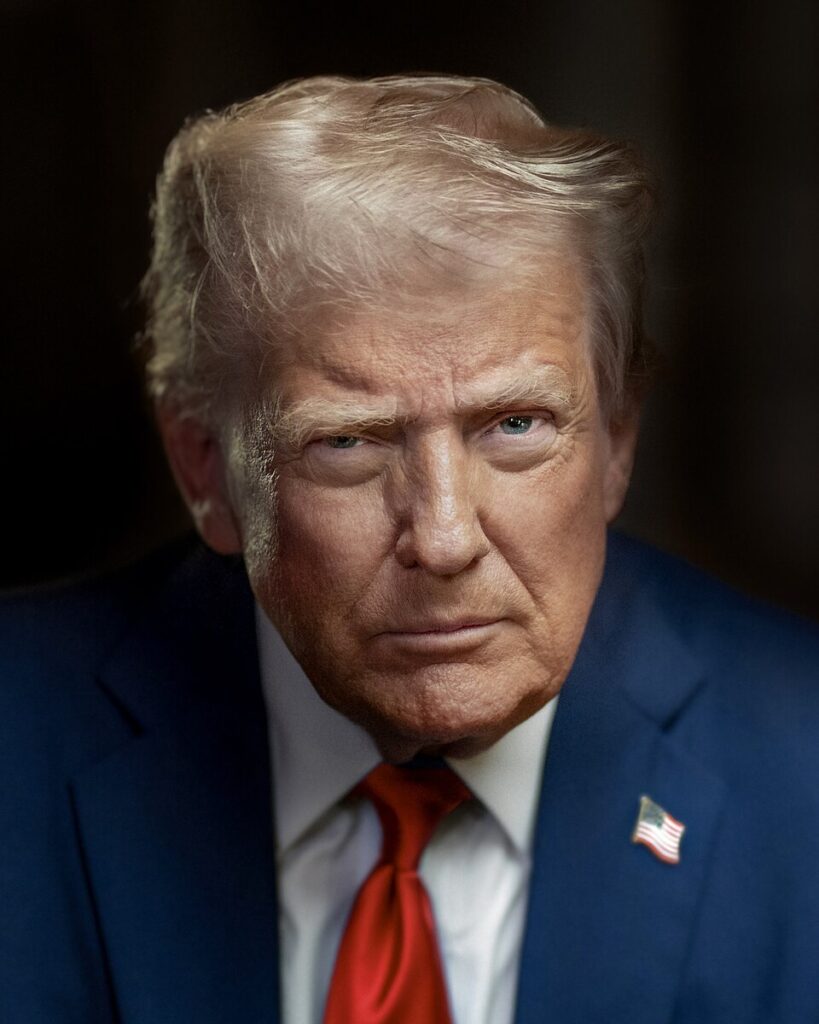
Rather, it facilitated enhanced accessibility for the utilization of US military forces. Nevertheless, the truth remains that the US was never fully content with this arrangement; however, the expansion of NATO solidified the acceptance of the existing state of affairs. Currently, the president in Washington exhibits a transactional and domineering demeanour.
Greenland is increasingly recognized not just for its strategic significance but also for the immense potential of oil, natural gas, rare earth elements, gold, and uranium concealed beneath its icy surface. On one level, Trump’s acquisition of Venezuela and ongoing interest in Greenland illustrate his recognition that the return of manufacturing to the US, as he once envisioned, may not be feasible. Instead, positioning the US as a prominent holder of natural resources appears to be his strategy for sustaining American dominance in the foreseeable future. Greenland’s expansive ice sheet conceals considerable, underutilized natural resources, increasingly becoming accessible as a result of accelerated melting.
Underneath the ice rests a landscape that is three million years old, encompassing soils and sediments that reveal a remarkably warm, invaluable, and treasured history. These resources give the region considerable geopolitical significance, but challenging conditions and environmental issues currently hinder mining activities. On the other hand, Denmark has every right to reject the idea that Greenland is outside its jurisdiction. Denmark possesses a rich and extensive historical connection with Greenland that spans centuries. It represents a colonizer, and in recent decades, this colonial history has evolved to exhibit a significantly more equitable approach toward the Greenlanders.
The current generation of Greenlanders does not view Denmark as a dominant colonial force. Rather, Denmark stands as a benefactor and a nation that embodies shared ideals. The relationship is characterized by a parity between the colonizer and the colonized, devoid of any superficial distinctions. Denmark understands that should Trump resort to military action to invade Greenland—despite his assertions to the contrary—such a move could fundamentally undermine the very essence of NATO.
Nevertheless, the truth remains that President Trump does not genuinely appreciate NATO, and any military confrontation resulting from a US invasion of Greenland would likely be brief.
It seems improbable that President Trump will cease his endeavours regarding Greenland, driven by concerns that NATO’s European allies might genuinely engage in a comprehensive conflict to safeguard the territory. Denmark might decline, and NATO partners could mobilize forces to protect Greenland, yet this American incursion will remain unimpeded. Canada has indicated its commitment to deploying troops for its defence. Ultimately, the United States may face greater losses by disrupting the established world order; however, historical evidence indicates that extremist regimes seldom possess the foresight of more rational thinkers.

Surjit Singh Flora