

Sri Lankan President Gotabaya Rajapaksa on Tuesday informed senior party members that he will not step down as the President but is ready to hand over the government to whichever party proves that it has a majority of 113 seats in Parliament. According to media reports, Rajapaksa held political meetings on Monday even as public protests continued against shortages of essential goods and electricity power cuts.
Parliament is scheduled to convene for the first time today, since the public protests and with Speaker, Mahinda Yapa Abeywardena presiding to conduct a vote to determine which party holds the absolute majority of 113 seats in the 225-member assembly.
According to a report by the UK newspaper, Daily Mirror, with the exit of the Sri Lanka Freedom Party (SLFP) and some government MPs threatening to sit independent, the government has lost its two-thirds majority. The SLFP is, however, now trying to hold on to its 113 seats so that it could continue in government even with a simple majority and Mahinda Rajapaksa could continue as the Prime Minister.
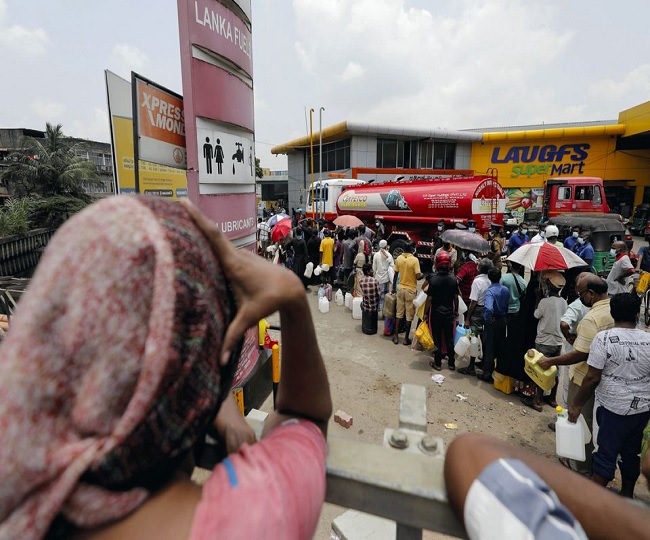
He was among the four new ministers appointed by President Rajapaksa on Monday. Sri Lanka is currently experiencing its worst economic crisis in history. With long lines for fuel, cooking gas, essentials in short supply and long hours of power cuts, the public has been suffering for months
– Emergency health situation declared in Sri Lanka
An emergency health situation has been declared in Sri Lanka from Tuesday because of the severe drug shortage in the country. This decision was announced after an emergency general committee meeting of the country’s Government Medical Officers’ Association (GMOA) to discuss the imposition of the emergency law and the severe drug shortage.
GMOA Secretary Dr Shenal Fernando said this decision to announce the emergency health situation was taken to protect the lives of patients. During a meeting, the GMOA revealed that there would be a severe drug shortage in the country due to the poor management by the government. The Sri Lankan newspaper said that the current drug shortage will move into a very serious situation in the future if the present economic crisis continues.
Earlier, the government had declared the public health service an essential service on February 12. “After declaring the health services essential, the government should have ensured the supply of essential medicinal drugs in the country,” Dr Fernando said. Therefore, the government and the health ministry should take full responsibility for the emergency drug shortage, he added.
On Saturday, Sri Lanka has imposed a three-day island-wide curfew after mass protests erupted in Colombo over public discontent with the government’s efforts in dealing with the economic crisis that has gripped the country. Sri Lankan President on Friday had declared a country-wide state of emergency to ensure “public security and maintenance of public order.”
Sri Lanka temporarily closes its embassies
Sri Lanka on Tuesday said it will close its embassies in Norway and Iraq, and its Consulate General in Australia with effect from April 30 due to the ongoing economic crisis.
“It is part of a general restructuring of Sri Lanka’s diplomatic representation overseas, undertaken by the Foreign Ministry in the context of the current economic situation and foreign currency constraints faced by the country,” it said in a release.